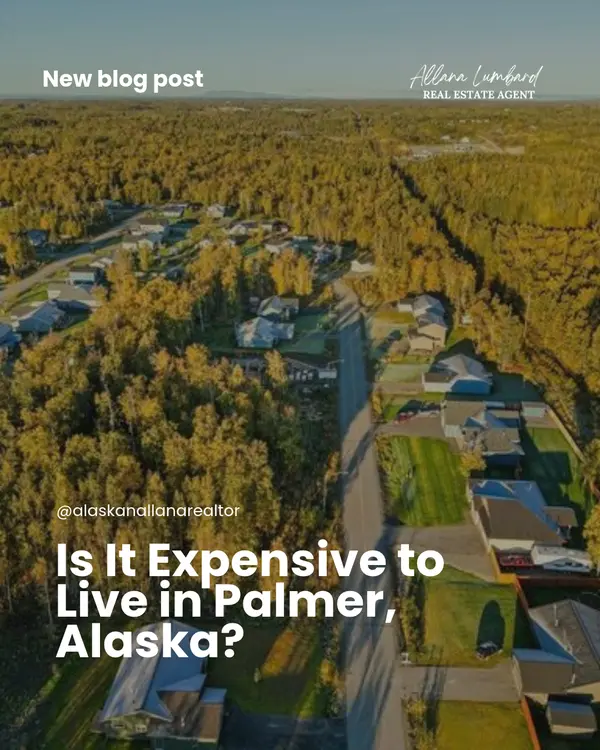
Pros and Cons of Building a House in Palmer, Alaska in 2026: Is It Right for You?
Palmer Real Estate Guide · 2026
Building in Palmer
Is Building a House in Palmer
Right for You?
What are the pros and cons of building a house in Palmer, Alaska?
If you're considering a newly built home in Palmer, Alaska, you're probably imagining the finished product: a home designed around your lifestyle, modern finishes, an efficient heating system, and fewer immediate repairs.
But getting there is a different story.
Building a house in Palmer can be an excellent choice for the right buyer, investor, or relocating family. It can also become considerably more expensive and complicated than expected if you don't account for the land, site preparation, financing, utilities, construction timeline, and Alaska-specific conditions.
Before you decide whether to build or buy, you need to understand the complete picture.
So before you decide whether to build or buy, ask the questions that can affect the entire project:
- How much will the complete project cost?
- How long will construction take?
- Will the property require additional site preparation?
- Will you need a private well or septic system?
- How will construction financing affect your budget?
- How much will winter maintenance and utilities cost?
Building vs. Buying
Is Building Cheaper
Than Buying in Palmer?
One of the biggest misconceptions about new construction is that building your own home automatically saves money.
The research for Palmer shows the opposite can often be true.
New-home construction costs in the Mat-Su Valley were reported at approximately $280–$310 per square foot for a home on a normal building lot.
Other Alaska construction estimates put the broader range around $225–$375+ per square foot, depending on construction type and finish level.
Meanwhile, the research reports an existing-home median price of approximately $475,000 in March 2026, with a median listing price of approximately $535,000 in August 2026.
That doesn't mean every existing home is cheaper than every newly built home.
It means you should compare the total project cost rather than simply comparing a construction quote with an existing home's list price.
Compare the Options
Existing Home vs.
Building a New Home
Building and buying come with very different timelines, costs, and levels of control.
| Existing Home | Build a New Home |
|---|---|
| Faster purchase | 12–18 month construction timeline |
| Known final cost | Cost can change during construction |
| Existing utilities | Utilities may need to be installed |
| Immediate occupancy | May require interim housing |
| Existing landscaping | Site work may be required |
| Easier financing | Construction financing is more complex |
| May require repairs | Fewer immediate repairs |
| Limited customization | Highly customizable |
The research estimates that building can cost 15–30% more per square foot than comparable existing construction, while construction can take 12–18 months.
For many buyers, the real question isn't "Is building cheaper?"
The Advantages
What Are the Biggest Pros
of Building a New Home?
There are several compelling reasons to build.
- Floor plan
- Number of bedrooms
- Kitchen layout
- Storage
- Garage size
- Home office
- Finishes
- Fixtures
- Energy-efficiency features
For remote workers or families, being able to design the house around how you actually live can be a major advantage.
- New insulation
- Modern windows
- New roofing
- New HVAC/heating systems
- Modern appliances
- New plumbing
- New electrical systems
That can reduce the likelihood of having to replace major components immediately after moving in.
New Construction Benefits
New Construction Can Offer
Modern Efficiency
Another major advantage of building is the opportunity to design the home around modern energy-efficiency standards.
In Alaska, where heating costs can be a significant part of homeownership, energy efficiency can matter more than it might in milder climates.
- Modern insulation
- Energy-efficient windows
- New heating systems
- Modern appliances
- Updated electrical systems
- New plumbing
Efficiency should be considered part of the long-term ownership cost. A home's purchase price is only one part of the financial picture, especially in Alaska.
Maintenance
One of the Biggest Advantages:
Fewer Immediate Repairs
One of the biggest advantages of a newly built home is that you aren't starting with an aging roof, old appliances, outdated plumbing, or decades-old mechanical systems.
That can provide peace of mind for buyers who don't want to spend their first few years of homeownership making major replacements.
Of course, a new home still requires maintenance. Building new does not mean maintenance-free.
Builder Protection
What About New-Home
Warranties?
Depending on the builder and contract, a newly constructed home may include warranties covering certain workmanship, materials, or systems.
This can give buyers an additional layer of protection compared with purchasing an older property where many components are already several years or decades into their useful life.
Always review the actual warranty terms. Coverage, exclusions, duration, and claim requirements can vary by builder and contract.
Land Selection
Building Lets You Choose
the Location and Lot
If you haven't already purchased land, building can give you more control over where your home is located and what type of property you want.
This can be particularly attractive to buyers who want acreage, privacy, mountain views, room for animals, gardening space, or a particular commute.
- Acreage
- Privacy
- Mountain views
- Room for animals
- Gardening space
- Preferred commute
- Specific neighborhood or area
But land selection comes with its own due diligence. Access, utilities, soil, drainage, wetlands, zoning, and site preparation can all affect whether a parcel is suitable for your plans.
The Cost of Building
What Does It Actually Cost
to Build in Palmer?
Construction costs are one of the most important factors to understand before deciding to build.
The research used for this article estimates new-home construction in the Mat-Su Valley at approximately $280–$310 per square foot for a home on a normal building lot.
Broader Alaska construction estimates cited in the research range from approximately $225–$375+ per square foot, depending on construction type and finish level.
Construction cost is not the same thing as total project cost. Land, site preparation, utilities, permits, financing, and other expenses can add significantly to the final amount.
The Tradeoffs
What Are the Biggest Cons
of Building in Palmer?
Building a home gives you control, but that control comes with additional costs, responsibilities, and uncertainty.
Building requires more planning than simply purchasing an existing home. Your financing, timeline, land, builder, and budget all need to work together.
Alaska Construction
How Does Alaska Weather
Affect Building a Home?
Alaska's climate can add another layer of complexity to construction.
Weather conditions can affect site preparation, deliveries, exterior work, scheduling, and other parts of the building process.
This is one reason it is important to discuss the expected construction schedule with your builder and understand how weather-related delays may affect the project.
When building in Alaska, your timeline should have realistic room for conditions outside your control.
Land Development
Why Can Site Preparation
Become a Major Expense?
A piece of land can look perfect on paper and still require substantial preparation before construction can begin.
Depending on the property, site preparation may include clearing, grading, drainage work, driveway construction, utility installation, or other improvements.
- Clearing and excavation
- Grading
- Drainage work
- Driveway construction
- Utility installation
- Well installation
- Septic installation
- Soil or site evaluation
The cheapest parcel isn't necessarily the cheapest property to develop.
Rural Palmer
What If Your Building Lot
Needs a Well and Septic?
If you're building outside areas with municipal water and sewer service, private utilities may become part of the project.
The research for Palmer indicates that many rural properties rely on private wells and septic systems.
- Well feasibility
- Well installation
- Septic feasibility
- Septic system installation
- Future septic pumping
- Ongoing private utility maintenance
The research cites approximately $4,000–$7,000 for a small rural well installation and approximately $3,000–$6,000 for a conventional septic system.
It also cites approximately $300–$600 per septic pumping visit, with pumping commonly recommended every 3–5 years depending on the system and household use.
These costs should be considered before purchasing the land, not after construction begins.
Due Diligence
What Should You Check
Before Buying a Building Lot?
If you're planning to build in Palmer, land due diligence is just as important as choosing the house plan.
- Road access
- Legal access and easements
- Zoning and land-use requirements
- Electricity availability
- Well feasibility
- Septic feasibility
- Soil conditions
- Wetlands
- Drainage
- Topography
- Site preparation requirements
- Snow removal access
Choosing a Builder
Why Does the Builder
Matter So Much?
Your builder can have a major influence on the construction experience, project timeline, communication, workmanship, and final cost.
Before choosing a builder, buyers should understand exactly what is included in the contract and what may be considered an additional cost.
- What is included in the base price?
- Which finishes are standard?
- What upgrades cost extra?
- How are change orders handled?
- What is the expected timeline?
- How are construction delays handled?
- What warranties are provided?
- Who handles permits and inspections?
A low construction quote isn't necessarily the lowest final cost. Compare what each builder includes before comparing prices.
The more clearly you understand the contract and scope of work before construction begins, the easier it is to plan your budget.
Timeline & Planning
How Long Does It Take
to Build a Home in Palmer?
One of the biggest differences between buying an existing home and building is the amount of time involved.
The research used for this article estimates a construction timeline of approximately 12–18 months.
That timeline can include more than the actual construction of the house. Land preparation, permitting, financing, material availability, contractor scheduling, inspections, and weather can all affect when the project is completed.
If you need to move quickly, buying an existing home may be a better fit. Building requires a longer timeline and more flexibility.
Planning Your Move
Will You Need Temporary Housing
While Your Home Is Being Built?
Because construction can take 12–18 months, buyers should think about where they will live while the home is being completed.
This can be especially important for families relocating to Alaska or homeowners who are selling their current property before construction is finished.
- Current home and sale timeline
- Temporary rental housing
- Storage costs
- Moving expenses
- Construction delays
- Potential overlap between housing payments
Relocating to Alaska
Is Building a Good Option
for People Moving to Palmer?
Building can be appealing to people relocating to Alaska who want a home specifically designed around their lifestyle.
However, relocating and building at the same time can create additional challenges because you're learning a new area while also managing a major construction project.
Seeing a beautiful piece of land is not enough. Make sure the location works for your everyday life before committing to the build.
Investment Perspective
Does Building Make Sense
for Real Estate Investors?
Investors may also consider building in Palmer, particularly when land availability, development potential, and long-term rental demand align with the investment strategy.
However, the numbers need to work from the beginning.
- Land acquisition cost
- Construction cost
- Site preparation
- Utility installation
- Construction financing
- Property taxes
- Insurance
- Expected rental income
- Property management
- Long-term maintenance
- Future resale value
Building a property does not automatically create a better investment. The completed property's numbers need to justify the total project cost.
Making the Choice
Should You Build or Buy
in Palmer?
There isn't one answer that works for every buyer.
Your decision should depend on your budget, timeline, desired location, tolerance for construction management, and how important customization is to you.
The right choice depends on what matters most to you. Building gives you more control, while buying an existing home can provide greater speed and cost predictability.
Before You Commit
Questions to Ask Before
Building in Palmer
Before purchasing land or signing a construction agreement, make sure you understand the full project.
- What is my complete project budget?
- How much will the land cost?
- What will site preparation cost?
- Will I need a well or septic system?
- How much will utilities cost?
- What is the realistic construction timeline?
- What happens if construction is delayed?
- What financing will I use?
- What does the builder's contract include?
- What warranties are provided?
- Where will I live during construction?
- What will the finished property be worth?
The more questions you answer before construction starts, the fewer surprises you're likely to encounter later.
The Bottom Line
Is Building a House in Palmer
Right for You?
Building a house in Palmer can be an excellent option if you want customization, modern systems, energy efficiency, and control over your home's location and design.
But it also requires more planning, patience, and financial preparation than buying an existing home.
Construction costs, land, site preparation, utilities, financing, weather, and the construction timeline can all affect the final cost and experience.
The goal isn't simply to build a new home. The goal is to determine whether building provides enough value and flexibility to justify the additional cost, time, and responsibility.
Quick Summary
The Pros and Cons of Building
in Palmer at a Glance
- Customization: Design the floor plan, finishes, storage, garage, and other features around your needs.
- Modern systems: New insulation, windows, roofing, heating, plumbing, electrical systems, and appliances.
- Energy efficiency: New construction gives you the opportunity to incorporate modern efficiency features.
- Less immediate maintenance: New major components can reduce the likelihood of immediate replacement projects.
- Land selection: You can choose the lot, location, views, privacy, or acreage that fits your goals.
- Higher costs: Construction can be more expensive than purchasing a comparable existing property.
- Longer timeline: The research estimates approximately 12–18 months for construction.
- Financing complexity: Construction financing can have additional requirements and costs.
- Site expenses: Land preparation, utilities, wells, septic, driveways, and other improvements can add significantly to the budget.
- Weather considerations: Alaska weather can affect construction schedules and daily property maintenance.
Key Takeaways
What Should You Remember
Before Building in Palmer?
- Construction costs in the Mat-Su Valley were estimated at approximately $280–$310 per square foot in the research.
- Broader Alaska construction estimates were approximately $225–$375+ per square foot depending on construction type and finish level.
- Building can take approximately 12–18 months.
- Land costs are separate from construction costs.
- Site preparation and utilities can add substantially to the total project cost.
- Rural Palmer properties may require private wells and septic systems.
- Construction financing can be more complicated than a traditional home mortgage.
- New construction provides greater customization and modern systems.
- Buying an existing home can provide a faster and more predictable path to homeownership.
Always compare the complete cost of building with the complete cost of buying. The construction price alone does not tell you what the finished home will ultimately cost.
Final Thoughts
Build or Buy?
Start With Your Goals
Building a home in Palmer can give you something an existing property cannot: the ability to create a home around your exact needs.
For some buyers, that control is worth the additional time, planning, and expense.
For others, an existing home may provide a better combination of affordability, convenience, and certainty.
If you're relocating to Alaska, buying your first home, looking for an investment property, or considering land in Palmer, understanding the local market and the true costs of ownership can help you make a more informed decision.
The best choice is the one that fits your budget, timeline, lifestyle, and long-term plans.
Let's Talk Real Estate
Thinking About Building or Buying
in Palmer, Alaska?
Whether you're considering a new construction home, looking for land, buying an existing property, relocating to the Mat-Su Valley, investing, or downsizing, having the right information before you make a move can make the process much easier.
I can help you compare available properties, evaluate locations, understand the local market, and identify the questions you should be asking before purchasing land or a home.
907-671-2663
homeswithallana@gmail.com
Let's talk about your plans and whether building or buying makes the most sense for your next move.
Disclaimer
This article is intended for general informational purposes only and should not be considered legal, financial, lending, tax, construction, engineering, investment, or professional advice. Construction costs, home prices, land prices, financing programs, utility costs, timelines, and other real estate information can change and may vary by property and individual circumstances. Buyers should conduct appropriate due diligence and consult with qualified professionals, builders, lenders, inspectors, engineers, and other specialists regarding their specific project.
Recent Posts