Where Can You Afford to Live in Palmer, Alaska? A Neighborhood Price Guide
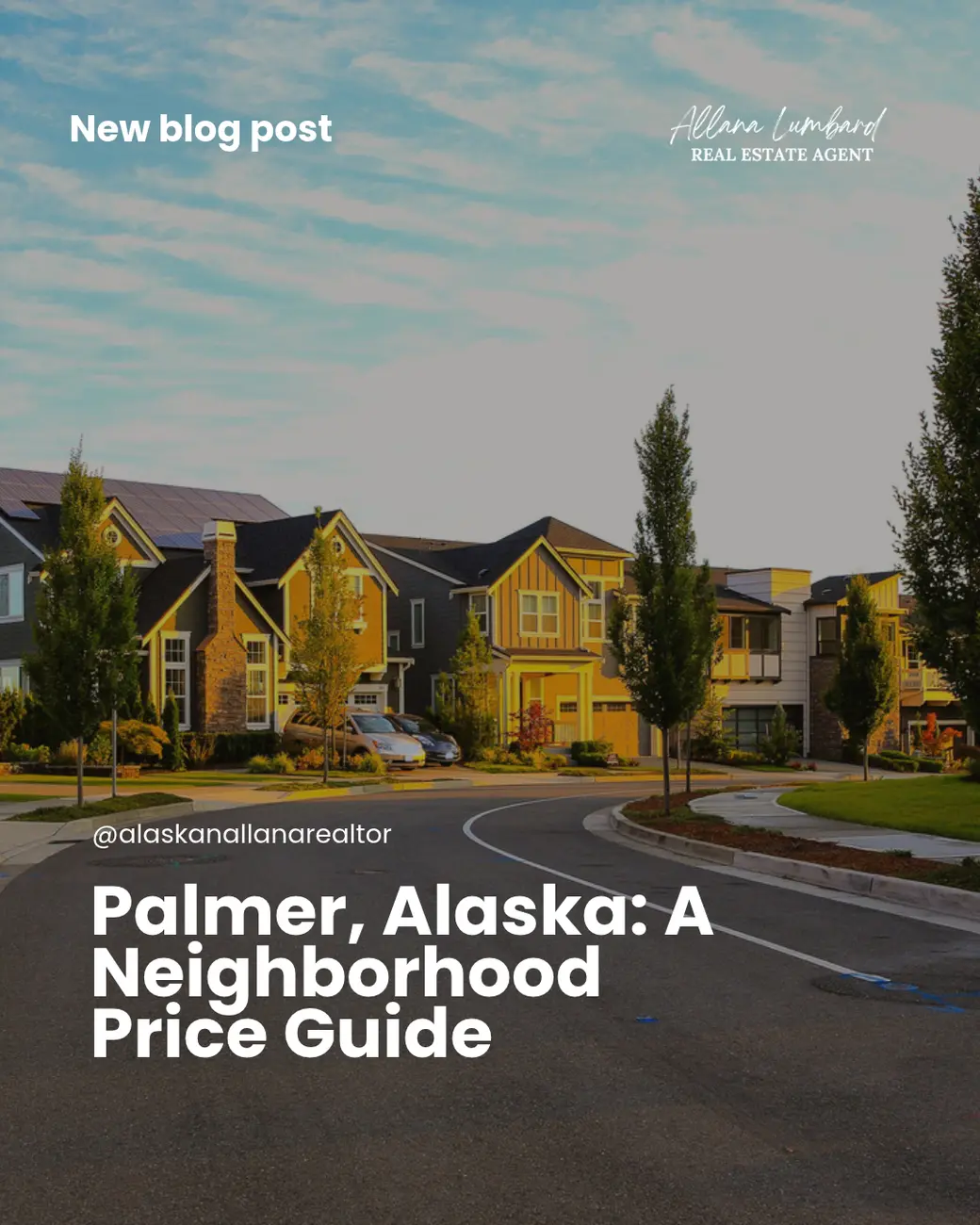
Explore Palmer-area neighborhoods and nearby communities, compare publicly reported home-price data, and learn what your budget may realistically buy before making a move.
Looking for a home in Palmer, Alaska, but unsure which area fits your budget? You might picture a cozy house close to downtown, a newer home in a residential subdivision, or a property with enough land for a garden, workshop, or small homestead. Each option can come with a different price tag.
The good news is that Palmer and its surrounding areas offer a variety of property types and lifestyles. The challenge is knowing what your budget may realistically buy and which trade-offs matter most to you.
In this guide, we’ll explore Palmer-area neighborhoods and nearby communities, discuss publicly reported home-price data, and look at what buyers, sellers, and relocating households should consider before making a move.
What Does It Cost to Buy a Home in Palmer, Alaska?
Palmer’s housing market includes everything from older in-town homes to newer construction and rural properties with acreage. Before comparing neighborhoods, it helps to understand the broader market.
According to Realtor.com’s September 2026 market data, Palmer had a median listing price of approximately $542,500 and a median sold price of $445,900. The same report showed 270 active listings and a median of 49 days on market.
Redfin reported a different median sale price of approximately $404,257 for the three months ending September 2026. Zillow reported a typical home value of approximately $439,932 as of September 30, 2026.
These figures are not interchangeable. Listing prices reflect what sellers are asking, sold prices reflect completed transactions, and estimated home values use different methods. The reporting periods and property samples also vary.
Sources: Realtor.com Palmer market data, Redfin Palmer housing market, and Zillow Palmer home values.
For buyers, the takeaway is simple: don’t base your entire budget on one market-wide median. A smaller home in town and a larger property outside town may have very different prices, even if they are both described as Palmer-area homes.
Market data in this article reflects publicly available reports accessed in October 2026. It is not a live or private MLS export. Verify current prices, inventory, and comparable sales before making a real estate decision.
1. Downtown Palmer: For Buyers Who Value Convenience
Downtown Palmer is worth considering if you want access to local shops, restaurants, community events, and everyday amenities without necessarily needing a large parcel of land.
The housing stock includes older homes, established residential properties, and smaller lots. Some homes may offer character and convenient locations, while others may need updates or ongoing maintenance.
What your budget may get you
Public real estate guides suggest that some older downtown homes may fall in the lower-to-middle price bands of the Palmer market. One published guide places typical older in-town options around $275,000 to $375,000, but this is an indicative range, not a verified current median or guarantee of available inventory. Actual prices depend on condition, size, and recent comparable sales.
Who might like downtown Palmer?
- First-time buyers looking for a smaller property.
- Buyers who prefer being closer to town amenities.
- Homeowners who want less land to maintain.
- Relocating buyers who want to learn the community before committing to rural living.
What to check: Review the age and condition of the home, insulation, heating system, roof, plumbing, and any planned repairs. An older home with a lower asking price may need a larger maintenance budget.
2. Farm Loop: For More Space and a Rural Setting
Farm Loop appeals to buyers who want a country atmosphere, larger lots, gardens, or room for hobbies and agricultural activities. The area includes a mix of homes and properties with varying amounts of land.
However, more land does not automatically mean a lower purchase price. Acreage, outbuildings, property condition, and location can all influence value.
Redfin reported a median sale price of approximately $599,900 for the three months ending August 2026, based on 17 sales during August. That figure is a useful reference point, but the relatively small number of transactions means it should not be treated as the value of every Farm Loop home.
Source: Redfin Farm Loop housing market.
Who might like Farm Loop?
- Buyers seeking a larger yard or more privacy.
- Homeowners interested in gardening or small-scale homesteading.
- Buyers who want a rural setting while remaining within reach of Palmer.
- Sellers with acreage or distinctive property features who need carefully selected comparable sales.
What to check: Confirm road maintenance, winter access, well and septic details where applicable, property boundaries, and the condition of any barns, sheds, or workshops. Budget for maintaining the land, not just the home.
3. The Butte and Bodenburg Area: For Views, Land, and Outdoor Space
The Butte and Bodenburg area can appeal to buyers who want a more rural setting, open space, or views of the surrounding landscape.
Properties vary considerably. You may find established homes on modest lots alongside larger parcels with outbuildings or room for outdoor projects. That variety makes it difficult to assign one reliable price range to the entire area.
Instead of comparing homes by location alone, look at how much usable land each property offers, whether the buildings meet your needs, and what improvements might be required.
Who might like this area?
- Buyers seeking space for gardens, equipment, or hobbies.
- Households interested in a rural lifestyle.
- Buyers who prioritize privacy and outdoor space.
- Sellers marketing properties with acreage or specialized features.
What to check: Investigate drainage, access, utilities, well water and septic systems where applicable, and the cost of maintaining driveways and outbuildings. A large parcel can be appealing, but its usability matters as much as its size.
4. Lazy Mountain: For Scenic Settings and Larger Properties
Lazy Mountain offers another option for buyers who value scenery, privacy, and a less urban setting. Homes and parcels can vary in elevation, access, size, and development.
A property with a mountain view or substantial acreage may command a different price from a smaller home closer to town. The cost of maintaining a driveway, managing snow, and accessing services can also affect the overall ownership experience.
Who might like Lazy Mountain?
- Buyers who prioritize scenery and privacy.
- Homeowners who want more outdoor space.
- Relocating households looking for a rural Alaska lifestyle.
- Buyers willing to evaluate access and maintenance carefully.
What to check: Ask about winter road conditions, driveway slope, drainage, heating costs, utility availability, and emergency access. Visit the property with seasonal conditions in mind, especially if you have not lived in a rural Alaska setting before.
5. Palmer Fishhook: For Outdoor Access and a Range of Property Types
The Palmer Fishhook corridor is worth exploring if you want to remain connected to Palmer while looking at homes farther along the route toward Hatcher Pass.
Property options vary by location. Some homes are in established residential settings, while others offer more space or a more rural environment. Because the corridor covers different locations and property types, a single median price may not accurately represent the choices available.
Who might like Palmer Fishhook?
- Outdoor enthusiasts who value access toward Hatcher Pass.
- Buyers looking for more privacy than a central in-town lot may offer.
- Households comparing rural and suburban property options.
- Buyers who are willing to consider commute time and winter access.
What to check: Evaluate the exact location rather than relying on the area name alone. Consider commute routes, snow removal, road maintenance, internet availability, utilities, and the distance to your regular destinations.
Should You Compare Palmer With Nearby Mat-Su Communities?
Palmer is only one part of the Mat-Su Valley housing market. If your budget is flexible on location, comparing nearby communities can help you understand what your money may buy across the region.
Think about more than the advertised price. A home farther from Palmer may offer more land or a different property style, but it could also mean a longer commute, different road conditions, or less convenient access to everyday services.
When comparing communities, consider:
- Property type: Decide whether you want an in-town home, a subdivision property, or a rural parcel.
- Commute and daily errands: Account for travel time to work, schools, shopping, and healthcare.
- Winter access: Consider road maintenance, snow removal, and driveway conditions.
- Utilities and services: Verify internet availability, water and septic arrangements, and other property-specific services.
- Long-term plans: Think about whether the location and property will still meet your needs in the years ahead.
Comparing actual homes with similar features is more useful than choosing a community based on one headline price statistic.
Costs to Consider Beyond the Purchase Price
A home that fits your purchase budget may not be the most affordable option to own. In Palmer and the surrounding areas, a property's age, heating system, lot size, and location can all affect your ongoing expenses.
Before making an offer, account for costs such as:
- Heating and energy: Ask about the heating system, fuel type, insulation, and available utility bills.
- Repairs and maintenance: Older homes may need work on roofs, plumbing, windows, or other major systems.
- Snow removal: Larger driveways and rural properties may require additional equipment, time, or paid services.
- Land upkeep: Acreage, outbuildings, and extensive outdoor areas can add maintenance responsibilities.
- Water and wastewater: Where applicable, review well and septic system condition, inspections, and maintenance needs.
- Transportation: A lower-priced property farther from work or everyday services may increase travel costs.
- Property taxes and insurance: Confirm the applicable costs for the specific property rather than assuming they will match those of your current home.
Keep the full cost in view. A less expensive home may need substantial repairs or carry higher ongoing expenses. Compare the estimated monthly payment alongside maintenance, utilities, transportation, and other ownership costs before deciding what you can comfortably afford.
What This Means for Sellers and Current Homeowners
If you already own a home in Palmer, neighborhood-level comparisons can help you understand how your property fits into the local market. However, broad area averages should not be treated as a valuation of your specific home.
Factors that can influence a property's value include its location, size, condition, lot, age, updates, and features. A home in a desirable setting may still need a pricing strategy that reflects its condition and the competition buyers can choose from.
For a more useful comparison, look at recent sales of properties with similar characteristics. Listing prices show what sellers are asking, while completed sales provide evidence of what buyers have actually paid. Neither measure should be used alone without considering the details of each property.
Homeowners considering a move should also compare the cost of their next home with the likely proceeds from selling their current one. Moving to a less expensive property does not automatically mean the move will save money once transaction costs, repairs, and future ownership expenses are included.
6. South Palmer Subdivisions and South Lakes: For Residential Neighborhood Living
If you prefer a more conventional residential setting, explore subdivisions in and around south Palmer. Depending on the specific development, you may find newer construction, established homes, and properties with more standardized lot layouts.
South Lakes and other nearby areas can be useful comparisons, but confirm the property's actual location. Not every nearby subdivision falls within Palmer city limits.
Who might like these areas?
- First-time buyers seeking a traditional single-family home.
- Buyers who prefer subdivision living over a rural parcel.
- Households comparing newer and older construction.
- Homeowners who want a neighborhood setting with a more predictable lot size.
What to check: Compare the home's age, layout, heating efficiency, storage, lot size, and maintenance needs. Also verify any applicable subdivision restrictions, road arrangements, and association requirements before purchasing.
What Can Different Budgets Buy in the Palmer Area?
The following table is a starting point for planning, not a live inventory report. Actual options change with market conditions, property size, and availability.
| Budget | Types of properties to investigate |
|---|---|
| Under $300,000 | Smaller or older homes, properties needing repairs, and other limited-inventory options. Verify whether suitable homes are currently available. |
| $300,000–$400,000 | Some older in-town homes, smaller single-family homes, or properties with trade-offs in size, condition, or location. |
| $400,000–$500,000 | A broader range of established homes and some newer or larger options, depending on the property and location. |
| $500,000–$600,000 | Larger homes, newer construction, and some rural properties. Acreage and outbuildings can affect pricing considerably. |
| Above $600,000 | Higher-priced homes, larger parcels, custom properties, and homes with features such as substantial acreage or views. |
These are broad shopping bands, not verified neighborhood medians. A buyer may find a home outside the expected range, and the lowest-priced property may not be the least expensive to own over time.
Frequently Asked Questions
What is the most affordable area to live in Palmer, Alaska?
There is no single area that is always the most affordable. Older in-town homes and properties that need updates may offer lower purchase prices, while rural properties can vary widely depending on land and improvements. Compare current listings and recent comparable sales before deciding.
Is Palmer more expensive than Wasilla?
Public September 2026 market data showed a higher median listing price for Palmer than for Wasilla. However, listing prices are not sold prices, and differences in property type and location matter. Compare similar homes in both areas for a more useful comparison.
Can I find a home in Palmer for under $400,000?
It may be possible, depending on inventory, property condition, size, and location. Buyers should be prepared to compare older homes, smaller properties, and homes that may need improvements. Check current listings rather than assuming a particular price band guarantees availability.
Is buying a home with acreage in Palmer worth it?
Acreage can be valuable if you need space for gardening, hobbies, animals, or privacy. However, consider access, utilities, maintenance, and the amount of usable land. The right choice depends on how you intend to use the property and what it costs to maintain.
How should sellers price a home in Palmer?
Sellers should use recent comparable sales and account for condition, location, lot size, and features. Public market averages provide context, but a property-specific pricing review is more useful when deciding on a listing price.
Find the Right Home in Palmer With Local Guidance
Your ideal Palmer home is about more than the asking price. It should fit your budget, preferred lifestyle, and plans for the years ahead.
Whether you're buying your first home, relocating to Southcentral Alaska, comparing rural properties, or preparing to sell, understanding the differences between Palmer's neighborhoods can help you make a more informed decision.
Ready to explore your options? Contact Allana Lumbard to discuss your budget, compare properties in Palmer and nearby Mat-Su communities, or plan your next move.
Allana Lumbard | Real Estate Agent | Real Broker
Recent Posts